Archive | e-learning RSS feed for this section

Linking Training to Performace

21 Mar

A course is just a course, but better performance is transformational.

Will Thalheimer, PhD, a big name in training and adult learning circles, has done quite a few short video presentations along with his articles, books, blogs and teaching. This is one of my favorites: http://www.youtube.com/watch?v=fdbReKzaYVY

It makes the strong case for looking at the overall job performance as the measure of a training program. The implication is that too many folks — clients, trainers and Instructional Designers included — focus on a course or curriculum rather than on performance outcomes.

It is too true. At times it is lack of time or vision on the part of course developers, but more often it is lack of organizational/institutional support (understanding!) for what training and e-learning’s mission really is.

Is Constructivism the only path forward for adult learners?

18 Mar

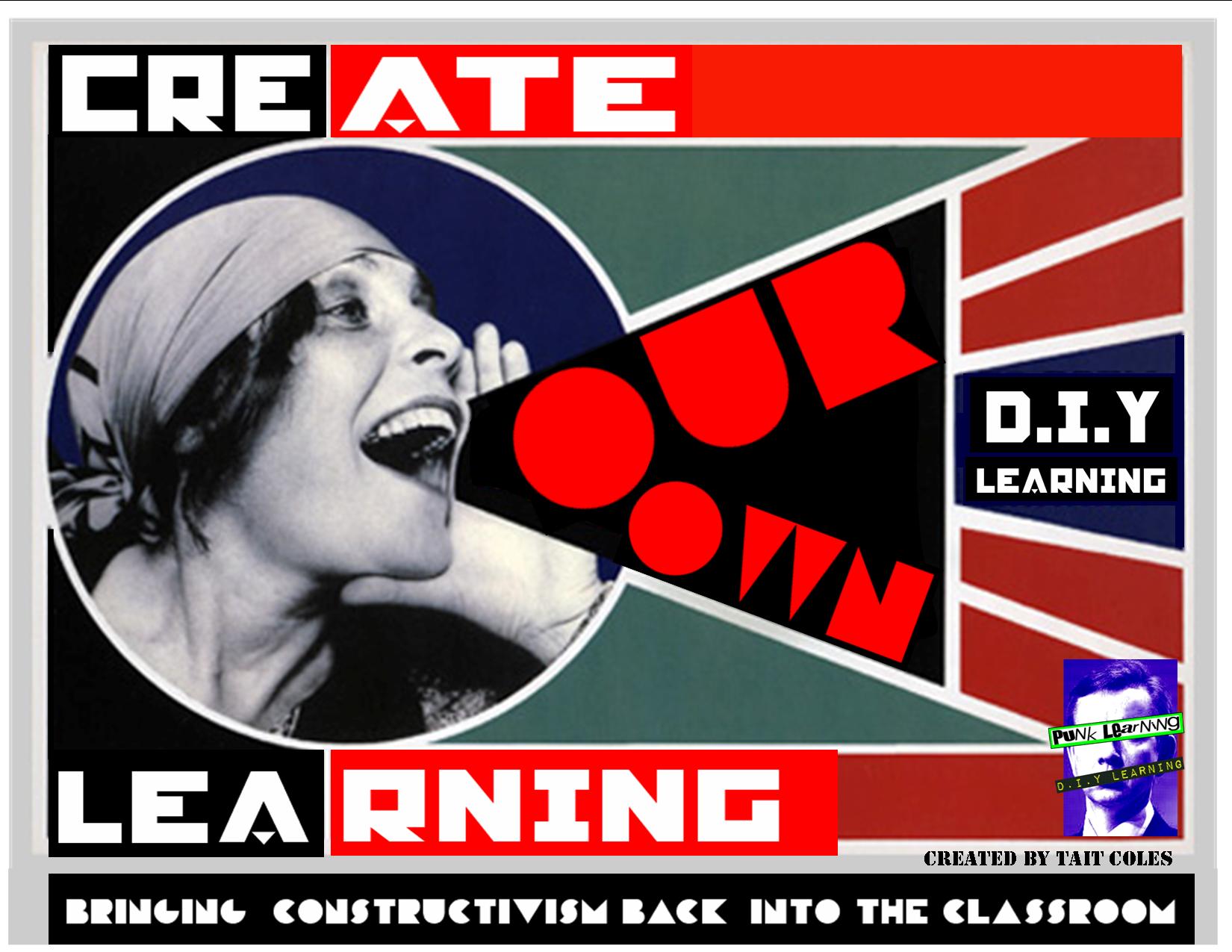
Constructivism, wherein learners are best served by the ability to construct their own order, meaning and eventual deep understanding, has long been one of several competing (conflicting?!) learning theories.

However, with the rise of technology in learning–and all learning is technology driven to a large extent–we are seeing an ever greater emphasis on learners being the curators of their own learning paths. With the world awash in content, I hear more and more frequently from educators, trainers and e-learning SMEs that there is little point in creating new content on nearly any given subject when there are quite likely 10 easily found sources that have already done it better.

So, is the answer just to post links to existing content and let learners have at it? There are those who essentially recommend as much. Accordingly, the Internet becomes a constructivist paradise of learners connecting, synthesizing and creating new models in an ever-virtuous loop.

But I think most of us would agree that this assigns too much agency to the average adult learner: busy, distracted, and deep in the WIIFM learning mode. However, content creators have a valid frustration: “Hasn’t somebody already put together this learning path already?”

There is a middle ground: The trainer and e-learning practitioner as content curator and facilitator.

There is a lot more to be said, and in the coming weeks and months I hope to say some of it in these posts. For now, I just pose the problem: How do we effectively engage learners into wanting to become the self-directed learners that Constructivists say they should / could be?

From “Information Workers” to “Learning Workers”

15 Mar

(Adapted from the “About This Blog” page)

frustratedinformationworker

E-Learning Strategist: That is my job title, and it provides me with challenging and fun ways to synthesize my experience from Instructional Design, Teaching, Training, Adult Learning Theory, and E-Learning.

But I find myself begging the question constantly: What is e-learning?

Or to put it another way, since we all use technology everyday in nearly every aspect of our lives, from student to professional to citizen to consumer, in what significant way is “e-learning” different from simply “learning?”

If The Information Age began with the advent of computer-based jobs and grew up to be the world of instant information on any topic, anywhere, any time, then where are we now? I propose that we are entering a post-Information Age, and into a Learning Age. Our main task — as organizations, as professionals, as people — it to constantly learn, adapt and make sense of an ever shifting, technology-driven environment. It’s daunting, isn’t it?

We are, in essence, not “information workers,” not only “knowledge workers,” but learning workers.